
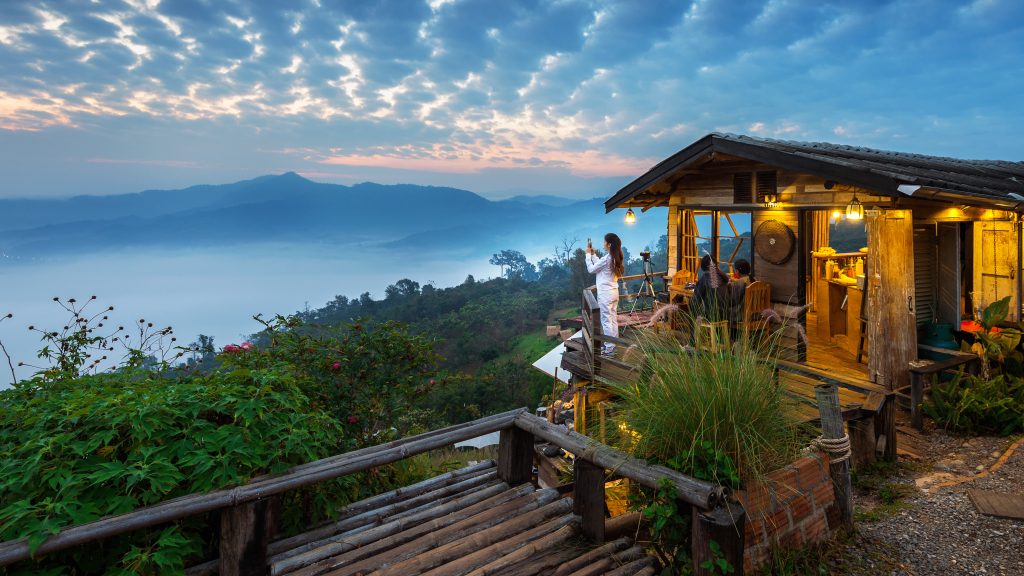
Nestled between the hills of central Nepal, Gorkha is more than just a scenic town—it’s the root of an entire nation. As the birthplace of Nepal’s unifier, King Prithvi Narayan Shah, Gorkha holds immense historical value. But it’s not just about ancient kings and temples—the region is also packed with jaw-dropping landscapes, sacred shrines, and warm, welcoming locals. If you’re craving something off the typical tourist path, Gorkha might just be Nepal’s best-kept secret.
The Historical Significance of Gorkha
Birthplace of King Prithvi Narayan Shah
Gorkha is where it all began. King Prithvi Narayan Shah was born here in the early 18th century, and from this very soil, he launched his campaign to unify what is now modern Nepal.
Unification of Nepal
Long before Kathmandu became the capital, Gorkha was the heart of a visionary plan to unite the scattered kingdoms of Nepal. The town still echoes with stories of conquest and strategy.
Influence of the Shah Dynasty
The Shah kings who ruled Nepal for centuries hailed from Gorkha, and the town still preserves many of their legacies, from palaces to war relics.
How to Reach Gorkha
From Kathmandu
Gorkha lies about 140 km west of Kathmandu. Buses and jeeps depart daily and take 5–6 hours, depending on road conditions.
From Pokhara
From Pokhara, it’s a scenic 4–5 hour drive. The journey itself offers amazing views of rivers, hills, and villages.
Local Transportation
Once in Gorkha Bazaar, you can take taxis or even hike to many of the town’s popular attractions.
Best Time to Visit Gorkha
Ideal Weather Conditions
October to December and March to May are the best months to visit. The skies are clear, the temperature is pleasant, and the views are unbeatable.
Festivals to Witness
Visit during Dashain or Tihar to experience the region’s vibrant culture and temple festivities.
Top Places to Visit in and Around Gorkha
Gorkha Durbar (Gorkha Palace)
Perched on a hilltop, this 17th-century palace is a mix of royal history, stunning architecture, and breathtaking views of the Himalayas.
Gorakhnath Temple
Right next to the palace is the sacred Gorakhnath Temple, dedicated to the Hindu sage who gave Gorkha its name.
Gorkha Museum
Step into Nepal’s past. This museum showcases weapons, royal attire, and photographs that tell the story of Gorkha’s rich legacy.
Manakamana Temple
Just a cable car ride away, this powerful wish-fulfilling temple attracts devotees and travelers alike.
Liglig Kot
An ancient fort and viewpoint, Liglig Kot offers a peaceful trek and panoramic mountain views.
Lakhan Thapa Memorial Park
This park commemorates Nepal’s first martyr and is a peaceful spot to reflect on the nation’s freedom journey.
Siranchowk Hill
Ideal for sunrise chasers and meditation lovers, this hill offers a 360° view of Gorkha’s lush hills and valleys.
Barpak Village
A resilient community that survived the 2015 earthquake, Barpak offers homestays, local foods, and stunning views.
Laprak Village
Another hidden village gem perfect for slow travel, cultural interaction, and eco-tourism.
Daraundi River and Waterfalls
Picnic near waterfalls, swim in pristine waters, or just relax by the Daraundi River—pure nature bliss.
Mount Manaslu Trek (via Gorkha)
Want a real adventure? The Manaslu Circuit starts right here. Expect rugged trails, epic peaks, and cultural gems.
Things to Do in Gorkha
Historical Tours
Hire a local guide and walk through centuries of history—from kings and battles to temples and myths.
Local Cuisine and Hospitality
Try local dishes like “dhindo,” “gundruk,” or freshly harvested millet liquor. Stay with local families to truly feel at home.
Hiking and Nature Walks
Plenty of trails await—from gentle hill walks to intense mountain treks.
Spiritual Experiences
Whether it’s temple rituals or yoga at sunrise, Gorkha’s spiritual energy is grounding and refreshing.
Where to Stay in Gorkha
Hotels and Guesthouses
Gorkha Bazaar has budget-friendly hotels and a few mid-range options offering decent amenities.
Homestay Experiences
Stay with local families in Barpak, Laprak, or Siranchowk for a truly immersive trip.
Camping Options
If you’re trekking or just want to be under the stars, Gorkha has plenty of safe, scenic spots for camping.
Local Culture and Traditions
Ethnic Communities
Gorkha is home to Gurungs, Magars, Brahmins, and others. Each group adds its unique flair to the town’s rich culture.
Traditional Music and Dance
Catch a live “sorathi” dance or folk song performance—heartfelt, rhythmic, and unforgettable.
Safety and Travel Tips
- Carry cash, as ATMs are limited.
- Always ask for permission before taking photos of locals.
- Roads may be bumpy—motion sickness pills are your friend.
- Learn a few Nepali phrases—it goes a long way.
Conclusion
Gorkha isn’t just a stopover—it’s a destination with soul. From its hilltop palaces and war stories to the peaceful villages and mountain trails, Gorkha welcomes you with open arms and a beating heart of history and hospitality. If you’re looking to experience the real Nepal—beyond the crowds and clichés—start your journey in Gorkha.
FAQs
1. Is Gorkha safe for solo travelers?
Absolutely! Gorkha is friendly, peaceful, and locals are helpful. Just use general travel precautions.
2. Can you visit Gorkha on a budget?
Yes! Accommodation, food, and transport are all affordable, making it perfect for budget travelers.
3. What is Gorkha famous for?
Gorkha is known as the birthplace of King Prithvi Narayan Shah and the origin of Nepal’s unification.
4. Is it worth visiting Gorkha if I’ve already seen Kathmandu and Pokhara?
Definitely. Gorkha offers a unique blend of history, rural charm, and authentic cultural experiences.
5. How many days do you need in Gorkha?
2 to 4 days is ideal to explore the town and nearby attractions at a relaxed pace.
https://shorturl.fm/RXnZq
Promote our brand and watch your income grow—join today!
Become our partner and turn referrals into revenue—join now!
Refer and earn up to 50% commission—join now!
Promote our brand and watch your income grow—join today!
https://shorturl.fm/Z4E9J
https://shorturl.fm/KDbcW
Pingback: hello world
https://shorturl.fm/01JiC
https://shorturl.fm/qh91B
https://shorturl.fm/54Nvq
https://shorturl.fm/pHgAS
https://shorturl.fm/W7nGc
https://shorturl.fm/WF0kE
https://kitgh.ru/ kitgh